Mirror polishing of metals is the most demanding finish in surface engineering: it lowers roughness to Ra below 0.1 micrometer and turns a raw part into a true reflector. It is both a high-end aesthetic signature and a functional answer: hygiene in the food industry, biocompatibility in medical applications, slip and resistance to fouling.
The real challenge is not achieving this shine on a single part, but reproducing it identically across entire series, without micro-scratches or orange peel effect. This is precisely what mass finishing on high-energy centrifugal machines makes possible. Below, we explain how to achieve an industrial mirror polish, material by material. Request a free trial on your parts.
- What is a mirror polish (target Ra)
- Manual vs mass finishing
- The role of high-energy centrifugal machines (CHE)
- Mirror polishing by material (aluminum, stainless steel, brass)
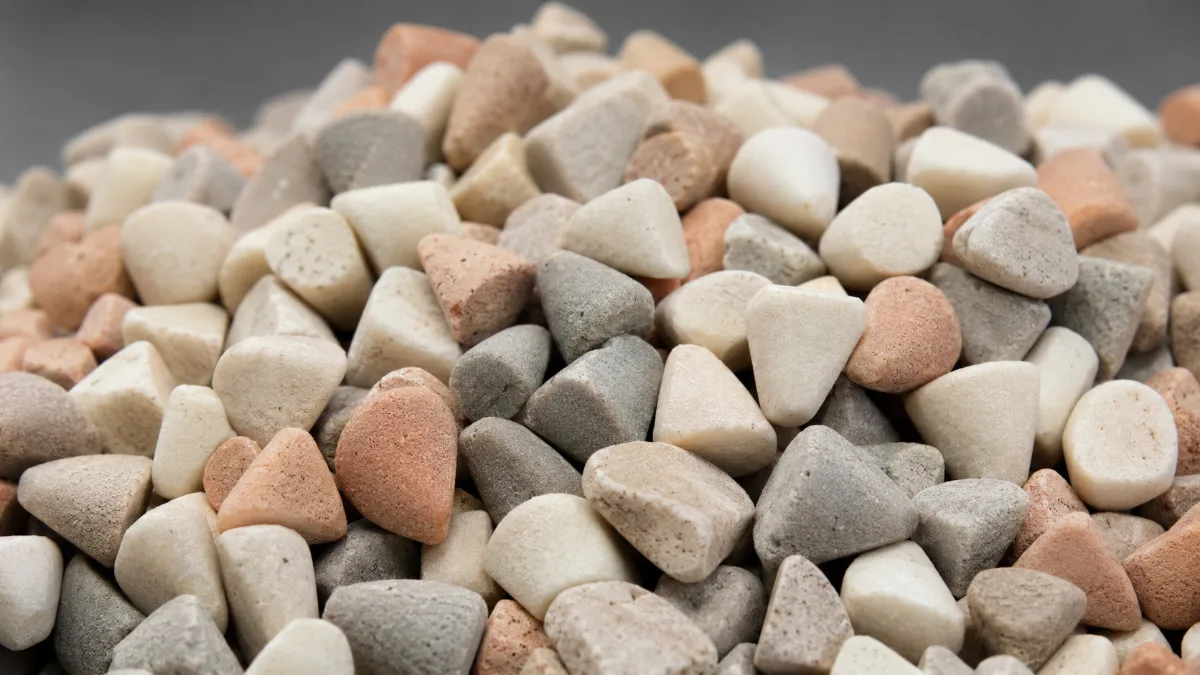
- Suitable additives and abrasive media
- Sectors concerned
- Get a quote / a trial
What is a mirror polish (target Ra)
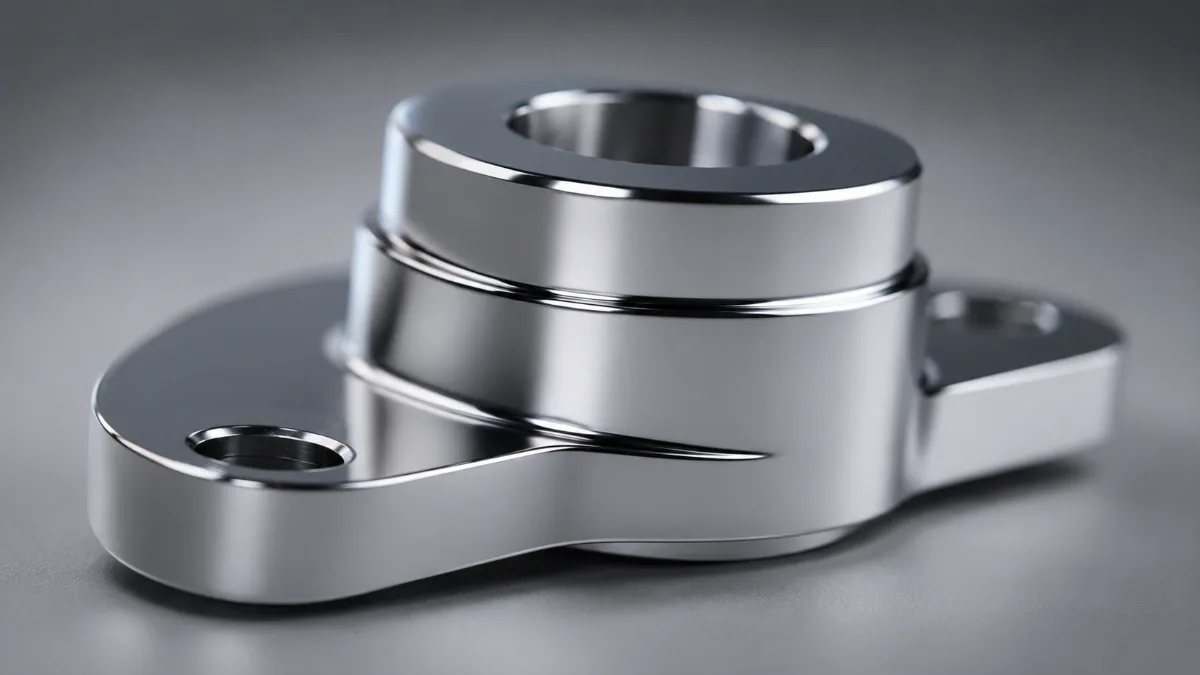
A mirror polish is not just a “shine”: it is a measured finish. It is defined by a roughness value of Ra below 0.1 µm, the threshold at which the surface stops scattering light and reflects it completely. Below this value, the eye perceives a mirror; above it, the surface looks shiny but remains diffuse.
Ra roughness, the only objective measurement
Ra roughness expresses the average height deviation of the surface profile. A raw machined metal is often around 0.8 to 1.6 µm; conventional bright polishing goes down to around 0.2 to 0.4 µm; a mirror polish targets less than 0.1 µm Ra. This quantified requirement is what distinguishes a true mirror finish from a merely satin result. In the food industry, it is also what guarantees the absence of micro-crevices where bacteria can lodge. The surface thus becomes easier to decontaminate.
Mirror polish or bright polish: the difference
Brushing or quick buffing leaves directional lines that are visible under raking light. A mirror polish, on the other hand, erases all directionality: the reflection is sharp and undistorted. This distinction is decisive when it comes to polishing metals intended for visible or sanitary applications.
Manual vs mass finishing
Beyond the definition, it is the method that determines the profitability and consistency of the mirror polish. Two approaches stand in contrast: manual polishing and mass finishing.
Manual mirror polishing relies on a skilled operator working by hand, disc after disc. It remains relevant for one-off parts or very particular geometries, but it is slow, physically demanding and above all inconsistent : the result varies from one part to the next depending on the operator’s fatigue and technique. Repeatability across a series is difficult to guarantee.
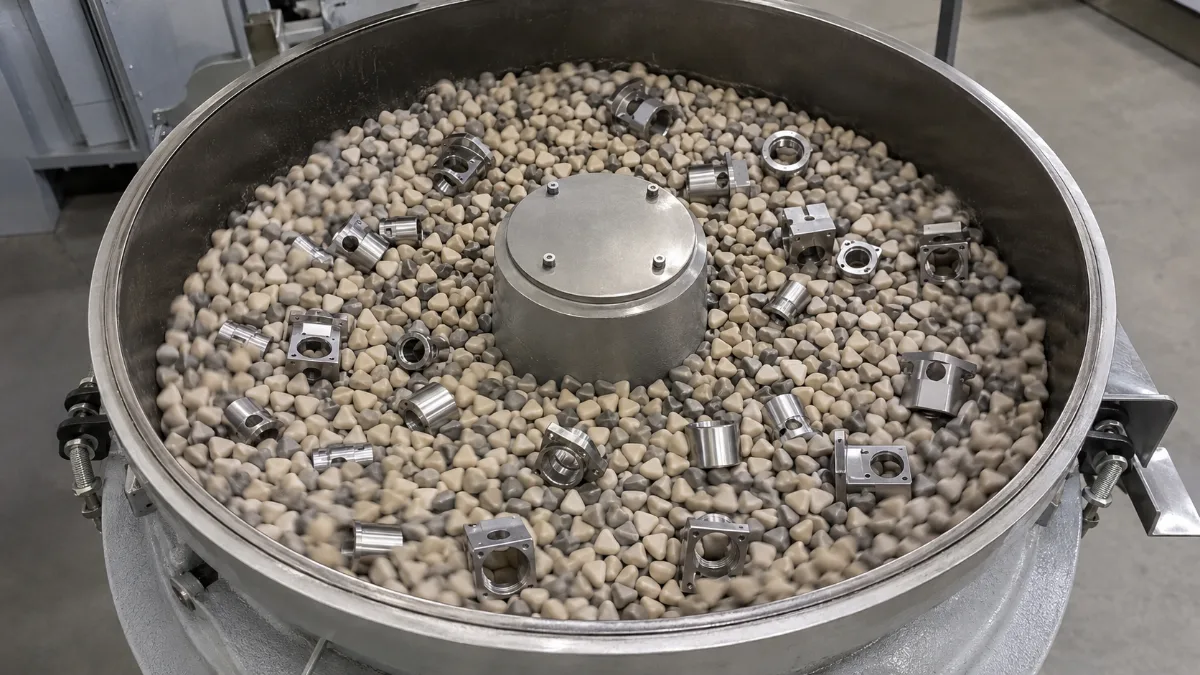
Mass finishing brings the parts into contact with moving abrasive media inside a machine. The action is automated, uniform across an entire batch and much less costly per unit. Mirror polishing becomes a reliable and reproducible process, even on complex parts. It is the benchmark solution as soon as volume is involved.
| Criterion | Manual polishing | Mass finishing |
|---|---|---|
| Production speed | Slow | Fast |
| Consistency across a series | Variable | Constant |
| Unit cost (series) | High | Low |
| Reproducibility | Difficult | Excellent |
| Complex / fragile parts | Case by case | Suitable (media) |
The role of high-energy centrifugal machines (CHE)
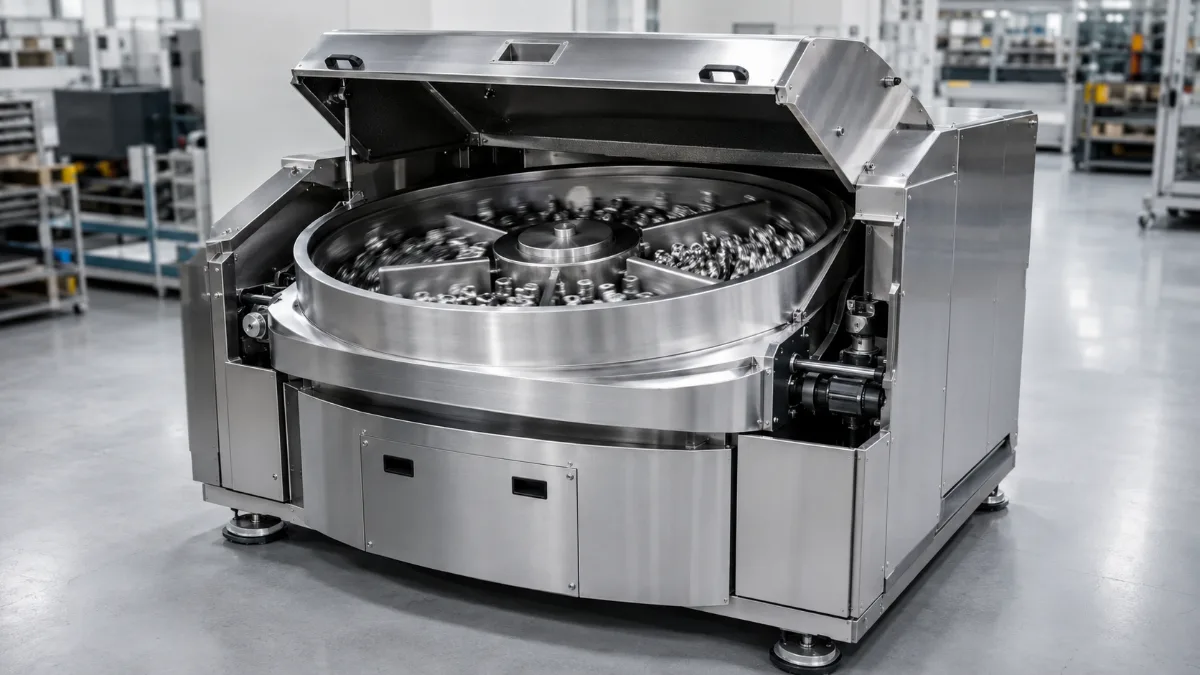
This is where the difference between “acceptable” polishing and a true mirror polish in series is made. High-energy centrifugal machines (CHE) multiply the force applied to the media: where a conventional vibrator works at moderate energy, a CHE generates accelerations up to 10 to 20 times greater. As a result, abrasion and burnishing that would take hours in a vibrator are achieved in a few tens of minutes, with a much finer finish.
This increase in energy is essential to cross the mirror threshold. Under high media/part pressure, the fine surface peaks are gradually flattened and smoothed until a uniform metal mirror effect is obtained, even in radii and transition areas that are difficult to reach by manual polishing.
Centrifugal barrel and centrifugal disc
Two families of CHE share the mirror polishing work. The centrifugal barrel, mounted on a rotating turret, develops very high G-forces: ideal for delicate parts and very fine finishes. The centrifugal disc, with its rotating disc at the bottom of the tub, creates a fast toroidal flow suited to large numbers of small and medium-sized parts. The choice depends on the geometry, the material and the volume. This is what we calibrate in our range of mass finishing machines.
Mirror polishing by material (aluminum, stainless steel, brass)
Each metal requires its own sequence of media and compounds. Applying the same cycle to aluminum and stainless steel leads to failure: hardness, chemical reactivity and burnishing speed are not comparable.
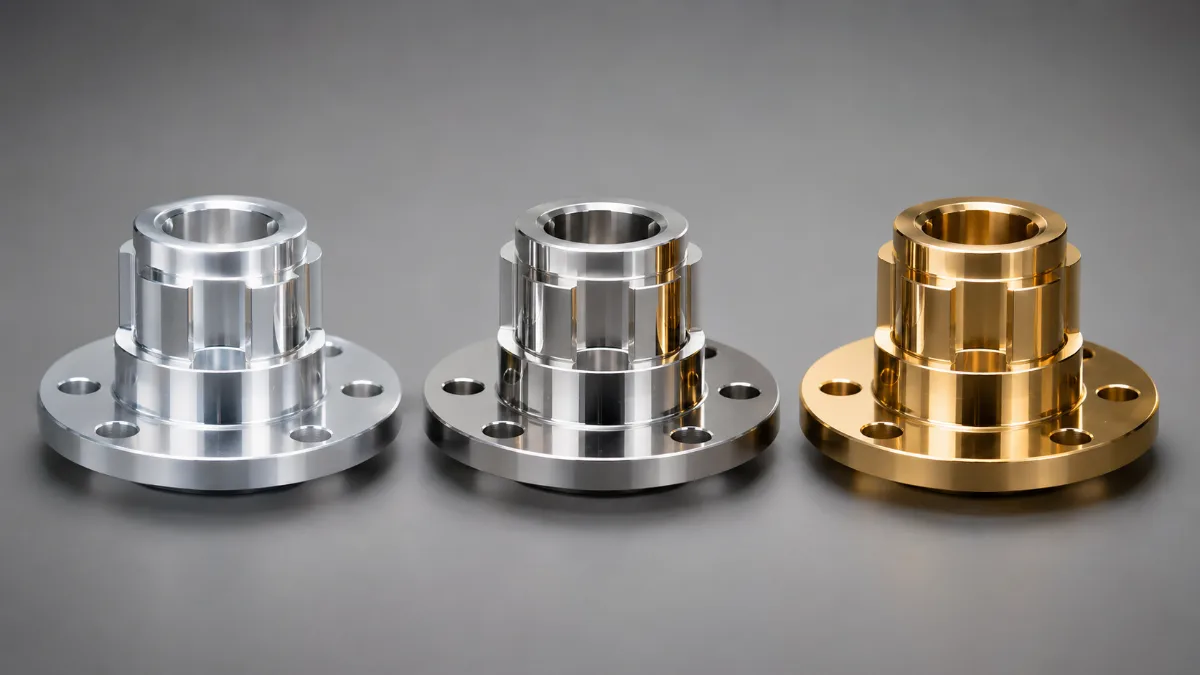
Mirror-polished aluminum
Aluminum is soft and chemically sensitive: it does not tolerate high-pH compounds, which tarnish or pit it. Plastic or fine porcelain media are preferred, combined with mild, non-alkaline compounds. When properly carried out, mirror-polished aluminum achieves an almost chrome-like shine. For simple parts, our method for polishing aluminum in 5 steps details the progression.
Mirror-polished stainless steel
Stainless steel is hard and demanding: the sequence is longer and starts with aggressive ceramic media before moving on to fine media or stainless steel balls for burnishing. In return, mirror-polished stainless steel offers the best compromise between shine, hygiene and corrosion resistance, hence its place in sanitary and architectural environments.
Mirror-polished brass
Brass is easy to polish thanks to its relative softness: soft media and a brightener are generally enough to achieve a deep, warm shine. Its only constraint is rapid oxidation: anti-tarnish protection is recommended right after the cycle.
Suitable additives and abrasive media
A successful mirror polish is never the result of a single pass. It relies on a two-stage process, with each step erasing the marks of the previous one.
- Roughing. Abrasive media (ceramic) and a degreasing compound: machining lines are removed and the surface is evened out. Objective: a sound base without major defects.
- Smoothing / burnishing. Fine media (porcelain, plastics) and a brightening compound such as the Chemcut compound, which gradually lowers the Ra toward the mirror threshold.
- Final mirror polish. Dry polishing media or stainless steel balls with a suitable paste, until an Ra below 0.1 µm and a perfect reflection are obtained.
The golden rule: never skip steps. Skipping roughing means polishing defects that will remain visible under the shine. The right media/compound combination for each material makes all the difference. You will find our selection in our mass finishing consumables.
Sectors concerned
Mirror polishing creates value wherever appearance, hygiene or function require it:
- Watchmaking and jewelry : cases, components and jewelry where shine is a criterion of perceived quality.
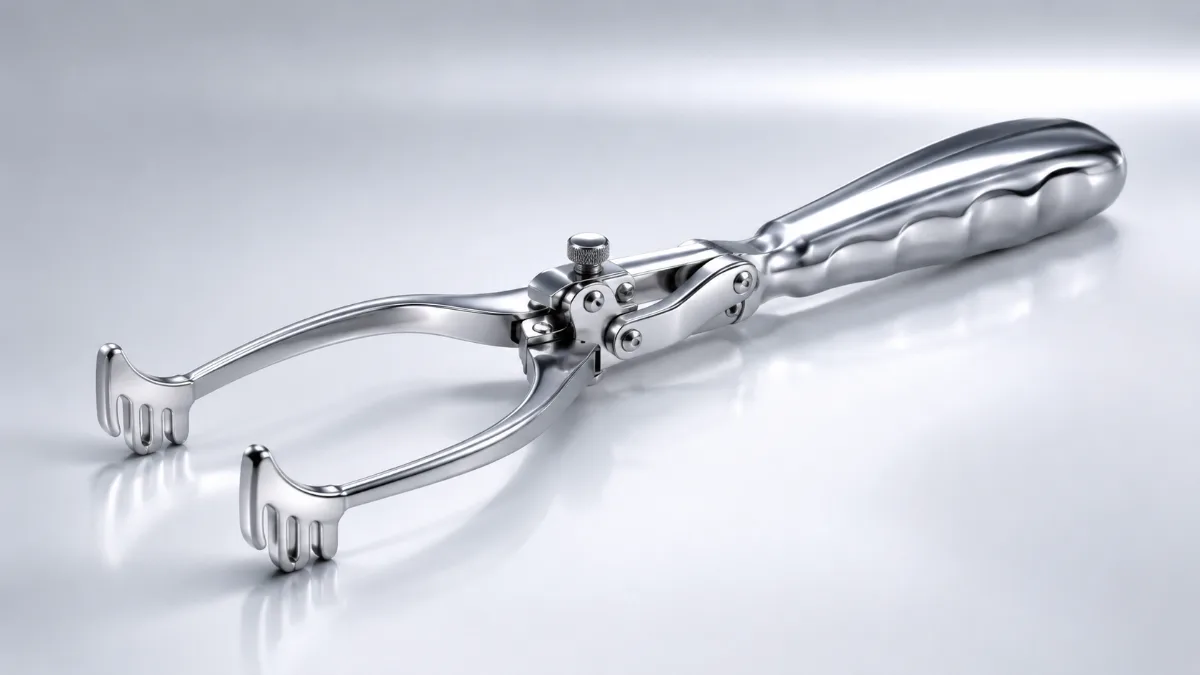
- Medical : instruments and implants, where the mirror finish makes sterilization easier and improves surface biocompatibility.
- Automotive and motorcycle : rims, trim parts and visible elements where the metal mirror effect is a strong aesthetic selling point.
- Decoration and architecture : furniture, lighting and architectural stainless steel, a field in which Finishtech, based in Reims, supports manufacturers facing high aesthetic requirements.
Get a quote / a trial
Mastering mirror polishing of metals means achieving an Ra below 0.1 µm reproducibly, which only mass finishing on a high-energy centrifugal machine can guarantee on a series scale. The best way to validate the process on your own parts is still a real trial.
Send us a few representative parts: we define the media/compound sequence suited to your material, carry out a trial and give you a quantified result.
A perfect, reproducible mirror polish on your parts is possible.
Request your free trial on parts + quote
We will be at your side to support you in your finishing projects.