Metal surface treatment plays a crucial role in various industrial sectors. This operation aims to improve the surface characteristics of a metallic material, in particular its appearance, its longevity, its corrosion resistance, or its electrical conductivity. Various metal surface treatment machines, using mechanical or chemical techniques or material deposition, are used to carry out these treatments.
In this article, we will explore the advantages of this equipment and offer a valuable guide for anyone who loves perfect finishes.
Overview of metal surface treatment

What is metal surface treatment?
Metal surface treatment is a method that integrates advances in modern physics, chemistry, metallography, heat treatment and other related disciplines. This method aims to alter the condition and properties of the surface of metal components. Surface treatments are divided into three main categories: mechanical action, chemical action, and material deposition.
Purpose and benefits of metal surface treatments
Surface treatments aim to optimize the interaction between the base material and its modified surface. This makes it possible to meet specific performance criteria. These treatments pursue several objectives, including:
- Improving the appearance of metal parts, giving them a variety of finishes such as shiny, matte, brushed, colored, etc.
- Increasing the durability of metal components, by strengthening their resistance to wear, fatigue and fracture.
- Strengthening corrosion resistance, by forming a protective layer that blocks oxidation and reactions with external agents.
- Improving electrical conductivity, either by reducing contact resistance or by increasing the capacity to retain electricity.
The benefits of surface treatments are considerable, making it possible toincrease the added value of metal parts, reduce maintenance costs, extend the service life of equipment, andimprove customer satisfaction.
The main metal surface treatment machines and their uses
Sandblasting and shot blasting machines
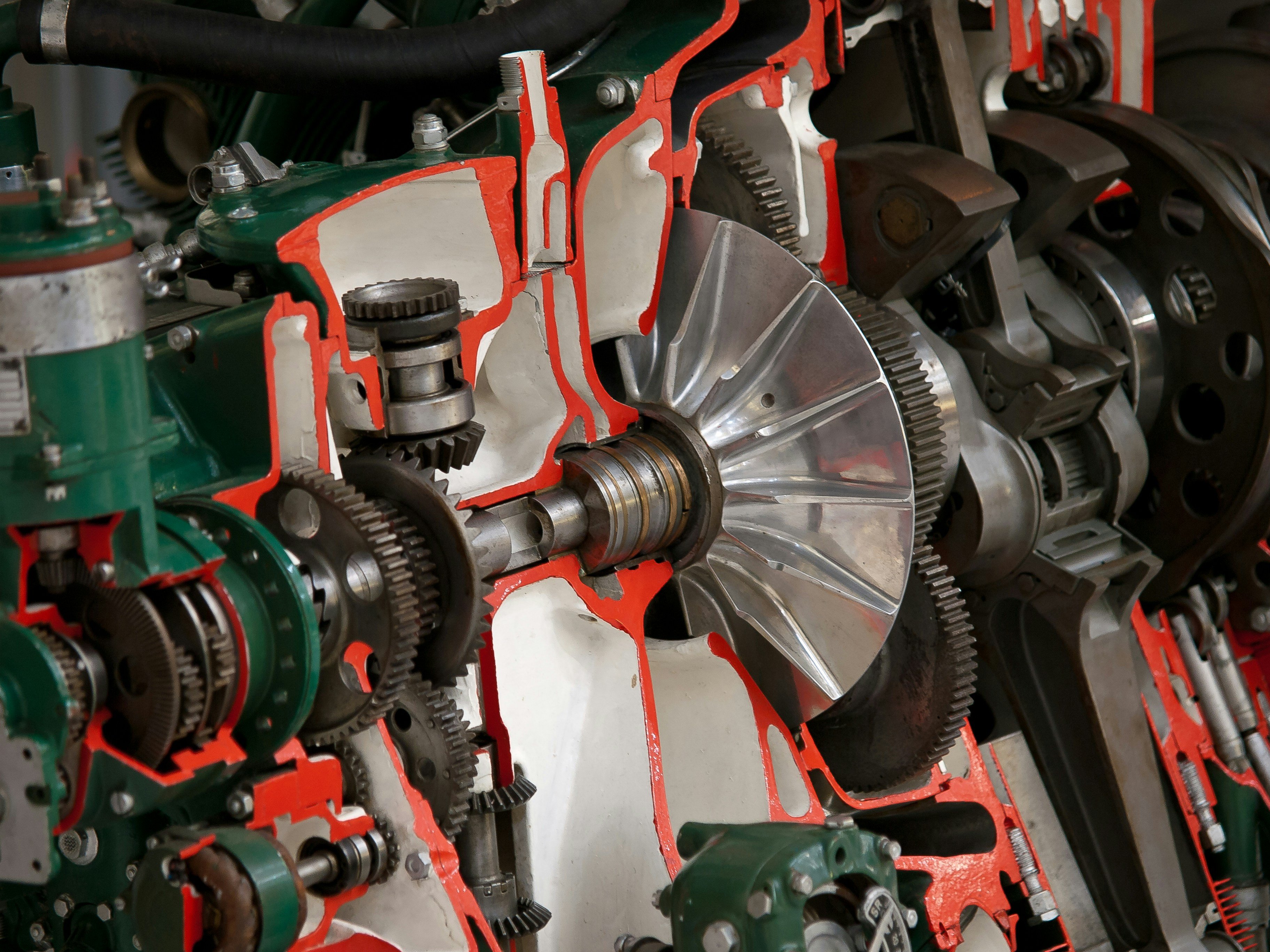
Sandblasting and shot blasting processes are essential for preparing surfaces by projecting abrasives, such as sand or metal shot, onto the part to be treated. These techniques effectively remove impurities, rust and ageing coatings, while creating a rough surface that promotes better adhesion of new coatings. They also strengthen the fatigue and corrosion resistance of parts, while improving their overall appearance.
There is a variety of machines, suited to the nature of the part being treated and the type of blasting used (compressed air or turbine). These machines are used in various sectors, including metallurgy, automotive and aerospace, thus helping to improve the quality and durability of manufactured parts.
Polishing and finishing machines
Polishing and finishing techniques play a crucial role in improving the visual appearance and performance of surfaces. Polishing can be carried out mechanically, chemically or by electrolysis, each aiming to remove irregularities and produce a smooth, shiny surface. Finishing, for its part, provides additional protection and can include specific treatments to color or decorate the part.
These processes use specialized machines, designed to treat different types of materials and achieve precise results. This equipment is essential for improving the aesthetics, wear resistance and functionality of parts made of metal, plastic, wood and many other materials.
Coating equipment such as electroplating and painting
Coating is a surface treatment method that applies a protective or decorative layer to a substrate. Various objectives, such as protection against corrosion or improvement of electrical or aesthetic properties, can be achieved with specialized equipment. Electroplating and painting are among the most common techniques, offering effective solutions for improving the durability and appearance of metal substrates.
Electroplating uses an electrochemical process to deposit one metal onto another, thus improving the corrosion resistance and appearance of the part. Painting, applied after surface preparation, protects the substrate from the elements and gives it tailor-made aesthetic qualities.
Electropolishing and heat treatment machines
Electropolishing and heat treatment are advanced methods that modify the structure and properties of metal surfaces. Electropolishing, an electrochemical process, removes surface imperfections, improving the sharpness, sterilizability and corrosion resistance of parts. Heat treatment, for its part, adjusts the mechanical properties of the metal by subjecting it to controlled heating and cooling cycles.
These techniques require specific machines, capable of processing various types of parts and ensuring precise control of treatment parameters. They are essential for guaranteeing the quality and performance of metal components in a multitude of industrial applications.
Choosing the right metal surface treatment machine
Analysis of materials and surface requirements
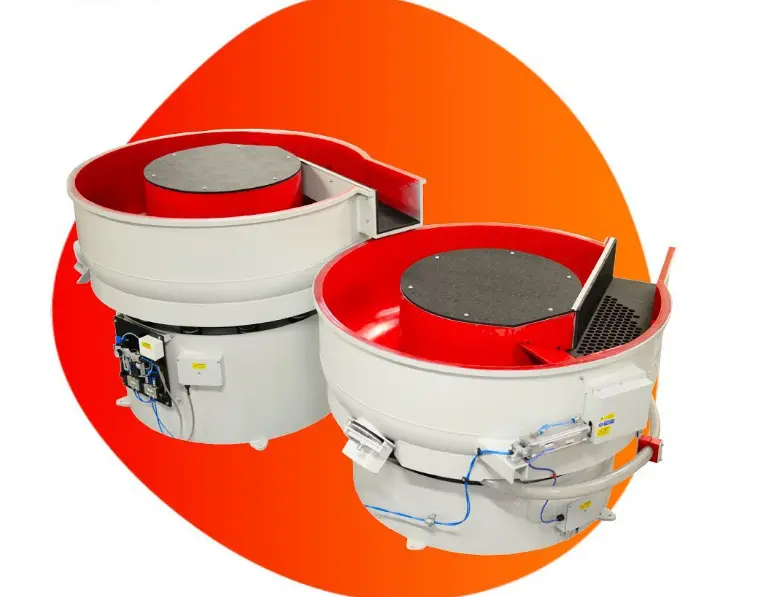
There are many metal surface treatment machines. Selecting a machine requires a prior assessment of the characteristics of the materials to be treated and the desired surface specifications. The choice of the appropriate method and equipment will depend on various factors, such as the type of material (metal, wood, plastic, etc.), its shape, size, weight and strength. It is also crucial to determine the targeted surface objectives, such as roughness, gloss, color, protection and functionality. This analysis will help identify the most suitable surface treatment process, whether mechanical, chemical, coating, thermal, etc.
Factors to consider when buying or renting metal surface treatment machines
Once the surface treatment process has been defined, compare the available machine options by considering several criteria:
- Cost: assess value for money by considering the purchase or rental price, operating and maintenance costs, and the cost of consumables.
- Performance: make sure the machine can carry out the desired treatment with optimal quality, precision and efficiency.
- Reliability: check the durability of the machine, its resistance to wear and temperature variations, and how easy it is to repair.
- Safety: comply with current safety standards by checking for protective devices and properly training staff.
- Adaptability: choose a machine that is compatible with the characteristics of the parts to be treated, the available space and the other equipment in your workshop.
Consult suppliers, manufacturers, users or buying guides to compare and choose the best machine for your needs.
Machine maintenance and safety tips
To ensure the proper operation and extend the service life of your surface treatment machines, regular maintenance and compliance with safety rules are essential. Here are some recommendations:
- Clean the machine after each use, removing residues and checking the condition of components.
- Lubricate the machine in accordance with the manufacturer’s instructions, using the recommended products.
- Carry out periodic checks to test operation, measure performance and diagnose possible faults.
- If necessary, call on a qualified professional for repairs or adjustments, using suitable spare parts.
- Strictly follow safety instructions, wear personal protective equipment and avoid risky behavior.
- Train staff in the correct use of the machine, focusing on procedures, risks and precautionary measures.
By following these tips, you will maximize the efficiency and longevity of your surface treatment machines, while reducing maintenance costs and the risk of accidents.
Conclusion
In this article, you have discovered the essence of metal surface treatment, including its many advantages and areas of application. We have covered the main types of surface treatment machines , offering advice on the selection, maintenance and safe use of this equipment. Metal surface treatment enhances the quality, performance and durability of metal parts, while meeting customer expectations and regulatory standards.
To carry out this process, a wide range of machines is available, each designed for specific materials, shapes, sizes and surfaces. Selecting the most suitable machine for your project involves considering several criteria, including cost, performance, reliability, safety and adaptability.
Proper maintenance and use of these machines are crucial, ensuring compliance with cleaning, lubrication, inspection, repair and protection guidelines, as well as user training. If you would like to learn more about metal surface treatment machines, or if you need guidance in choosing, acquiring or renting a machine, do not hesitate to contact us. Thanks to our partner Acton Finishing, we are at your disposal to provide you with the most suitable solutions.
Contact us today to get a free quote
We will be by your side to support you in your finishing projects.